

If you don’t know where you’re going, any road will take you there.
Step 2
The Wholefood Approach – Learning to See Food Differently
Welcome to Step 2.
In Step 1, you began laying the foundations for better health by building your meals around real, nourishing foods and creating simple daily habits that support your wellbeing.
Now it’s time to take the next step. Before you can confidently choose healthier foods, it’s important to understand what you’re actually buying. In this section, you’ll learn how to read food labels, recognise the difference between a whole food approach and nutritionism, navigate meal replacements and supplements with confidence, and understand why minerals play such an important role in overall health.
The more you understand what’s in your food, the easier it becomes to make choices that truly nourish your body.

click here to read more
Healthy Choice Guidelines
Reading Food Labels Made Simple
At first, reading food labels can feel overwhelming. The good news is that as you begin eating more fresh, whole foods, you’ll naturally rely less on packaged products and spend less time analysing labels. You don't have to avoid packaged foods altogether- but learning how to choose the better options is a skill that can benefit your health for years to come.
Most people pick up a packaged food and head straight for the Nutrition Information Panel. They check the calories, protein, fat, carbohydrates or sugar and decide whether the food is "healthy" based on those numbers alone.
While the Nutrition Information Panel can be helpful, it doesn't tell the whole story. To really understand what's in a product, start with the ingredients list. After all, food is made from ingredients—not numbers.
The ingredients list gives you a much clearer picture of how processed a food is and whether it's made from real, recognisable ingredients or a long list of additives, refined ingredients and preservatives.
A product can be high in protein or low in sugar and still contain a long list of refined ingredients, additives, preservatives, artificial flavours and stabilisers. On the other hand, many genuinely nourishing foods don’t make dramatic nutrition claims at all - they simply nourish your body because they are real food.
This is where the idea of Nutritionism vs Vitalism becomes important.
Nutritionism focuses primarily on individual nutrients such as protein, carbohydrates, fats, vitamins and minerals. It encourages us to ask questions like, “How much protein does this contain?” or “Is it low fat?” The problem is that this way of thinking can make highly processed products appear healthy simply because they have added protein, fibre or vitamins.
A whole food approach—sometimes called vitalism, starts with a different question:
“What is this food actually made from?”
Rather than viewing food as a collection of isolated nutrients, it recognises that nature packages nutrients together in remarkably complex ways. Whole foods provide not only vitamins and minerals, but also fibre, healthy fats, phytonutrients, antioxidants and countless naturally occurring compounds that work together to support health.
So the next time you pick up a packaged food, try reading the ingredients before the nutrition panel. Ask yourself:
- Do I recognise most of these ingredients?
- Could I make something similar at home?
- Is this food close to its natural state, or has it been heavily processed?
You don’t need to be perfect. Every time you choose a food with simple, recognisable ingredients, you’re taking a positive step toward better health. Over time, these small choices become habits - and those habits are what create lasting change.
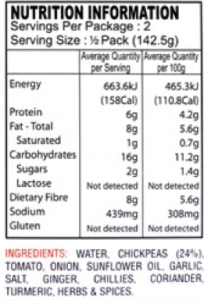
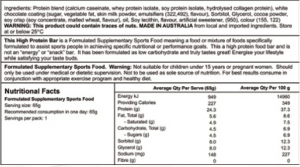
By now you've probably realised that this program isn't about counting calories or chasing the latest nutrition trend. It's about learning to recognise real food.
One of the most valuable skills you can develop is knowing how to read a food label with confidence. Many people head straight for the Nutrition Information Panel, looking at the calories, protein, fat or sugar. While this information can be useful, it doesn't always tell you how processed a food is or what it's actually made from.
That's where the ingredient list becomes so valuable.
The Ingredient List Tells the Bigger Story
Nutrition panels are estimates based on the ingredients used to formulate a product. They don't tell you how the ingredients were grown, how heavily they've been processed, or the overall quality of the food.
For example, two products may contain similar amounts of protein, fat or carbohydrate, yet one may be made from recognisable whole food ingredients while the other contains refined starches, additives, flavourings and stabilisers.
That's why it's helpful to look beyond the numbers.
Start by asking:
- What are the first few ingredients?
- Do I recognise most of them?
- Is this something I could make in my own kitchen?
- Has this food been heavily processed?
The more often you read labels, the easier these questions become.
Ingredients Worth Becoming Familiar With
You don't need to memorise every food additive. Instead, start by recognising a few commonly used ingredients that are often found in highly processed foods. Some common ones are:
Hydrogenated and Partially Hydrogenated Oils
These are manufactured fats that have been chemically altered to improve texture and extend shelf life.
You may see them listed as:
- Hydrogenated vegetable oil
- Partially hydrogenated vegetable oil
- Vegetable shortening
- Margarine
- Vegetable fat
Partially hydrogenated oils are a source of trans fats, which have consistently been associated with poorer cardiovascular health. While their use has declined significantly in recent years, they can still appear in some processed foods.
Choosing foods made with natural fats and oils is a better option.
Flavour Enhancers (Including MSG)
Monosodium glutamate (MSG) is used to enhance flavour in many processed foods.
It may also appear under names such as:
- Yeast extract
- Hydrolysed vegetable protein
- Hydrolysed plant protein
- Flavour enhancer (621)
MSG is commonly found in ultra-processed foods, which are associated with poorer overall diet quality and an increased risk of chronic health conditions when consumed regularly.
Artificial Sweeteners
Artificial sweeteners are commonly used in diet drinks, sugar-free foods and some processed snacks.
Examples include:
- Aspartame
- Acesulfame potassium
- Sucralose
Research into artificial sweeteners continues to evolve. Some studies suggest they may influence appetite, taste preferences or the gut microbiome in certain individuals.
Added Sugars
Sugar can appear under many different names.
Some common examples include:
- Sugar
- Sucrose
- Glucose
- Dextrose
- Maltose
- Fructose
- Maltodextrin
- High fructose corn syrup
Manufacturers may use several different sweeteners within the one product, meaning sugar doesn't always appear as the first ingredient even when the total amount is quite high.
Looking at the ingredient list alongside the Nutrition Information Panel can provide a more complete picture.
Processed Meats
Nitrites and Nitrates
Ingredients such as sodium nitrite and sodium nitrate are commonly added to cured and processed meats, including bacon, ham, salami and some sausages to help preserve the product.
Processed meats have been classified by the World Health Organization's International Agency for Research on Cancer (IARC) as a Group 1 carcinogen, meaning there is strong evidence that regular consumption increases the risk of colorectal cancer. For this reason, it's best to avoid processed meats where possible and choose fresh, minimally processed sources of protein instead.
Soy Ingredients
Soy itself can be a nutritious whole food and foods such as tofu, tempeh and traditionally fermented soy products absolutely have a place in a healthy diet. However, highly refined soy ingredients - including soy protein isolate, soy flour and soy lecithin - are commonly used throughout processed foods.
Rather than avoiding soy altogether, it's helpful to distinguish between minimally processed soy foods and highly processed food products that happen to contain soy-derived ingredients.
Progress Over Perfection
Learning to read labels isn't about becoming fearful of food. It's about becoming an informed consumer.
As you become more familiar with ingredient lists, you'll naturally begin noticing patterns. Foods with shorter, simpler ingredient lists are often closer to their original form and can make it easier to build a nourishing way of eating.
Remember, every food choice doesn't have to be perfect. The goal is simply to make more informed decisions, more often.
Action Step
This week, spend a few minutes reading the labels on foods already in your pantry or supermarket trolley.
Rather than focusing on calories or nutrients, pay attention to the ingredients.
Ask yourself:
- Which products contain mostly recognisable ingredients?
- Which contain long lists of additives or highly refined ingredients?
- Are there simple alternatives that are closer to whole food?
Awareness is the first step towards lasting change.
Top Tips
- Read the ingredient list before the Nutrition Information Panel.
- Choose foods with shorter, more recognisable ingredient lists whenever possible.
- Remember that every small swap towards real, whole food adds up over time.
If you spend any time in pharmacies or health food aisles, you’ll notice the growing range of meal replacement products marketed as “healthy solutions.” On the surface, they can seem like a convenient option for busy lifestyles.
However, when you take a closer look at the ingredient lists, many of these products are highly processed formulations made up of multiple additives, flavourings, sweeteners, and engineered food components.
Typical ingredients you may find include skim milk powder, calcium caseinate, maltodextrin, vegetable oils, fructose, sugars, artificial flavours, emulsifiers, stabilisers, soy lecithin, artificial sweeteners such as aspartame and potassium, and numbered additives.
While they are often marketed as nutritious, many of these products are designed more for shelf stability, taste, and texture than for whole-food nourishment.
This doesn’t mean convenience is the problem. In fact, convenience is essential in modern life.
The key distinction is this:
Convenience should support your health - not replace real food.
Why these products are so popular
Meal replacements are widely used because they are quick, portable, and require no preparation. In busy lives, that can feel like a solution. But the real opportunity is learning how to create your own convenience using real food.
A better approach: organise for success
Instead of relying on processed meal replacements, aim to build simple, repeatable habits that make real food just as convenient.
A helpful guiding principle is:
Make more than you need, more often.
For example:
- Blend a smoothie in the morning and make enough for later in the day
- Keep portioned snacks ready to grab and go
- Batch cook meals so leftovers become tomorrow’s lunch
- Prepare simple “back-up meals” for busy days
With a little planning, real food becomes the easiest option — not the hardest.
Simple, portable whole-food options
Convenient, nourishing alternatives include:
- Fresh fruit (in season)
- Nuts and seeds
- Homemade smoothies
- Veggie sticks with dips
- Boiled eggs
- Leftovers from dinner
- Chia puddings or simple homemade energy bites
These options support energy, satiety, and nutrient intake without relying on heavily processed formulations.
Top Tips
- Convenience should support your health, not replace real food
- Meal replacement products are often highly processed despite their marketing
- Real convenience comes from preparation and organisation
- Aim to make nourishing food the easiest option available
Action Steps
This week, experiment with replacing one processed or convenience-style product with a real food alternative.
Notice how your body responds in terms of:
- Energy
- Hunger levels
- Cravings
- Focus and mood
Small shifts often create the biggest awareness.
Energy Smoothie Ideas (Real Food Alternatives)
Pawpaw Energy Smoothie
- ½ pawpaw, chopped
- 1 organic free-range egg
- 1 orange
- ½ cup coconut milk
Method:
Blend all ingredients until smooth.
Optional: Add a little honey if extra sweetness is desired.
Creamy Super Green Smoothie
- 1 avocado
- 1 apple
- 1 cup coconut water or filtered water
- 1 tsp CH Supreme Green Blend
- 1 frozen banana
- 2 tbsp chia seeds
- ¼ cup mixed raw nuts
- 1 cucumber
- 1 zucchini
- 1 tbsp honey
Method:
Blend until smooth and creamy.
Optional: Use coconut milk instead of water for a richer texture.
By now, you may be starting to notice positive shifts from your new habits. Many people report feeling more energised in the mornings, more mentally clear, and more in tune with their body. You may also notice physical changes such as reduced bloating, improved skin clarity, or clothes beginning to feel more comfortable.
As your nutrition foundation improves, it becomes helpful to widen your awareness beyond food alone. Health is influenced not only by what we eat, but also by other substances we regularly put into or onto the body - often without much thought.
This step is about gently building that awareness, without fear or restriction, so you can make informed choices that support your long-term wellbeing.
Medications and everyday health support
Many people also use over-the-counter medications or remedies regularly, sometimes without fully understanding their ingredients or long-term effects on the body.
A helpful first step is simply awareness.
Becoming curious about what you are taking - and why - can help you feel more informed and in control of your health decisions.
Like food, medications can contain more than just the active ingredient. They may also include fillers, preservatives, colourings, or other compounds that are included for manufacturing or stability purposes.
Understanding this does not mean judgment - it simply allows you to make conscious choices, and to have more informed conversations with your healthcare provider if needed.
Of course, it is important that any prescribed medication is taken under the guidance of your doctor, and never stopped without professional advice.
Everyday products you may not think about
Beyond food and medications, there are also a number of everyday products that enter the body indirectly or regularly, including:
- Toothpaste
- Mouthwash
- Chewing gum
- Breath mints
These products often contain flavourings, sweeteners, preservatives, and other additives that are not always considered in a typical diet review.
Why this matters
Individually, these products may seem small and insignificant. However, over time, the cumulative exposure to various additives and synthetic compounds can become part of your overall “body load.”
The aim here is not perfection or elimination of everything at once - it is simply awareness.
When you are aware, you are empowered to choose what best supports your health.
Top Tips
- Start by becoming aware of what you are regularly using
- Read ingredient lists on medications and everyday oral products when appropriate
- Focus on progress, not perfection
- Support your body through foundational habits first (food, sleep, hydration, stress)
- Make changes gradually and sustainably
Action Step – Awareness Check-In
Take a moment to review what you are currently using.
Go through:
- Any prescribed or over-the-counter medications (with awareness, not changes)
- Toothpaste and mouthwash
- Chewing gum or breath mints
Then ask yourself:
- Do I understand what is in these products?
- Am I using them out of habit or necessity?
- Is there anything I’d like to research further or discuss with a healthcare professional?
If you are taking prescribed medication, always speak with your GP before making any changes. If you would like additional support, you may consider seeking a practitioner trained in nutritional or integrative medicine.
Supplements are one of the most debated topics in nutrition. While they can certainly play an important role in supporting specific deficiencies or health conditions, they should complement - not replace - a healthy diet.
The foundation of this program is simple:
Food first. Supplements second (when appropriate).
Why Whole Foods Matter
Whole foods provide far more than isolated vitamins and minerals. They contain fibre, healthy fats, phytonutrients, enzymes and naturally occurring compounds that work together to support absorption and overall health.
Although food quality can vary due to factors such as soil health, farming practices, storage, cooking methods, stress and digestive health, a varied whole-food diet remains the best place to meet most of your nutritional needs.
Build Your Nutrition with Food
Aim to include:
- Vegetables and fruit for vitamins, minerals and antioxidants.
- Healthy fats such as olive oil, avocado, nuts, seeds and coconut.
- Quality protein including eggs, fish, poultry, legumes and lean meats.
- Fermented foods such as sauerkraut, kimchi, kefir, natural yoghurt and kombucha to help support a healthy gut microbiome.
When your diet is built around nutrient-dense whole foods, many people find they rely less on supplements over time.
Using Supplements Wisely
Supplements can be helpful when recommended by a qualified healthcare practitioner to address a specific deficiency or health goal. They should complement a healthy diet - not replace it.
When supplementation is appropriate, consider choosing food-based supplements where possible. Products such as colloidal minerals, quality green powders, coconut oil, inca inchi protein or oil, and probiotics are derived from whole food sources and can complement a nutrient-rich diet.
Before taking a supplement, ask yourself:
- Why am I taking it?
- Was it recommended for a specific reason?
- Is it supporting my diet or replacing it?
Top Tips
- Prioritise whole, nutrient-rich foods every day.
- Think food first, supplements second.
- When appropriate, choose food-based supplements over highly processed alternatives.
- Include a variety of colourful vegetables, quality proteins and fermented foods.
- Review your supplements regularly with your healthcare practitioner.
Action Step
Review the supplements you currently take. Consider whether each one has a clear purpose and whether your diet could provide more of those nutrients through real, whole foods.
By now you've probably noticed that nutrition conversations tend to focus on vitamins. Vitamin C. Vitamin D. Vitamin B12. These are all important nutrients however, one of the most overlooked pieces of the nutrition puzzle is minerals.
The reality is that vitamins don't work in isolation. Minerals are essential for thousands of biochemical processes in the body, helping to activate enzymes, support hormone production, regulate nerve and muscle function, maintain healthy bones, and enable vitamins to do their jobs effectively.
Simply put, minerals are foundational to good health. In fact, every cell in your body relies on minerals.
They are involved in:
- Energy production
- Hormone synthesis
- Nervous system function
- Healthy bones and teeth
- Red blood cell formation
- Muscle contraction
- Fluid balance
- Immune function
- Supporting the activity of vitamins and enzymes
When mineral intake is inadequate over time, it can influence many aspects of health - including energy, mood, immunity, metabolic health and recovery.
Why Modern Diets Can Fall Short
Even people eating reasonably well may struggle to obtain optimal mineral intake. Some of the reasons include:
- Soil depletion. Modern farming practices can reduce the mineral content of the soil that food is grown in.
- Food storage. Fresh produce naturally loses nutrients over time.
- Food processing. The more refined a food becomes, the fewer nutrients it generally contains.
- Ultra-processed foods. Foods high in refined ingredients often provide plenty of energy but relatively few minerals.
- Diet quality. Many modern diets simply don't include enough vegetables, nuts, seeds and other mineral-rich whole foods.
- Higher environmental demands. Everyday exposure to pollutants, stress and processed foods may increase the body's nutritional requirements.
Food First
One of the best ways to improve mineral intake is by consistently eating a wide variety of real foods. Focus on including:
- Colourful vegetables and leafy greens
- Fruit
- Nuts and seeds
- Quality protein foods
- Sea vegetables such as nori, wakame and kelp
- Unrefined sea salt used in cooking
- Cold-pressed oils
- Fermented foods
Plants manufacture vitamins, amino acids and healthy fats, but they obtain their minerals from the soil they grow in. That's why food quality matters. Whenever possible, choose produce grown in healthy, nutrient-rich soils and purchase from growers who prioritise soil health.
Minerals and Cravings
Interestingly, cravings aren't always about willpower. Sometimes persistent cravings can indicate nutrient or mineral deficiencies, inadequate protein intake or poor blood sugar regulation. While food cravings are complex, consistently nourishing your body with mineral-rich whole foods often helps improve satiety and reduce the drive for highly processed foods over time.
Top Tips
- Remember your minerals (not only vitamins), they are essential for almost every process in the body.
- Prioritise mineral-rich whole foods every day, including vegetables, nuts, seeds, sea vegetables and quality protein.
Action Step
Take a look through your pantry and kitchen.
- Are you using refined table salt? Consider replacing it with a quality unrefined sea salt.
- Could you include more mineral-rich whole foods in your meals this week?
- If you're taking supplements, ask yourself whether they are supporting a clear health goal or simply replacing nutrients that could come from food.
Small, consistent improvements build lasting change.
How You Feel Today
Before moving on to the next step, take a moment to reflect.
How are your energy levels? Has your digestion changed? Are you sleeping better? Have your cravings shifted? How is your mood?
Record your observations in your Health Tracker by completing the How I Feel chart.
Looking back over your progress is one of the most powerful ways to recognise just how far you've come.